

Managing TMJ dysfunction effectively requires an understanding of targeted massage techniques that alleviate pain and enhance jaw mobility. This article will unpack three concrete massage approaches that serve as practical solutions for those affected by TMJ dysfunction.
The first approach involves isolating the masseter muscle, a key contributor to TMJ pain. Applied pressure and careful manipulation of this muscle can significantly reduce tension, offering a path to pain relief. For example, a technique known as cross-fiber friction, where pressure is applied across the muscle fibers, encourages blood flow and can be a soothing remedy.
We turn to the temporalis muscle, which also plays a crucial role in TMJ discomfort. Massage techniques tailored to this muscle, like rhythmic compression and relaxation, can reduce tightness and help restore a pain-free range of motion. By employing the technique of circular kneading upward toward the temples, individuals can experience an easing of the discomfort associated with TMJ.
Understanding TMJ and Massage Relief
Effective management of TMJ dysfunction depends on targeted massage techniques that address the underlying muscular tension. Three key massage strategies are critical: cross-fiber friction, temporal massage, and the integration of relaxation practices.
Cross-fiber friction technique specifically targets the masseter muscle, a common epicenter of TMJ pain. By rubbing against the muscle fibers, this method enhances blood circulation, which can assist in flushing out toxins and reducing muscular strain. Regular application of this technique leads to a gradual reduction in jaw tightness and pain, exemplifying direct, hands-on relief.
Temporalis massage tends to a different muscle affected by TMJ disorders. With gentle, purposeful strokes on the temples, this form of massage eases the stress on the temporalis muscle. Patients can employ this strategy as part of their daily routine, using deliberate temporal massage to preemptively ease discomfort and prevent symptom escalation:
- Cross-Fiber Friction: Targets masseter muscle to enhance circulation and reduce strain
- Temporal Massage: Gentle temple strokes ease temporalis muscle stress effectively
- Relaxation Integration: Breathing and mindfulness enhance physical massage benefits
- Comprehensive Approach: Combined techniques address both physical symptoms and stress
These physical techniques should be complemented with overall relaxation practices, such as deep breathing or mindfulness, while massaging. Such practices not only target the physical symptoms but also the stress component often associated with TMJ disorders.
Holistic Strategies for Enhanced Healing
A holistic approach to TMJ disorder not only soothes immediate discomfort but also attends to broader health aspects, fostering enduring well-being. The integration of stress management, posture improvement, and individualized physical therapy into treatment can significantly strengthen TMJ healing.
Stress management is a cornerstone of holistic TMJ therapy. Practices such as meditative breathing or mindfulness can help reduce the psychological stress that often exacerbates TMJ symptoms. Through these techniques, patients can lower tension in the jaw muscles, contributing to a decrease in pain frequency and intensity.
Improving posture addresses the misalignments that can intensify TMJ dysfunction. Educating patients about ergonomic practices and exercises that align the spine and neck can alleviate undue pressure on the jaw. Simple adjustments to workstation setups or sleeping positions are examples of ways to support a more TMJ-friendly posture.
Personalized physical therapy is critical for rehabilitation and prevention. Tailoring exercises and treatments to the specific needs of each patient ensures focused healing of the TMJ joints and muscles. By incorporating stretches and strengthening routines, physical therapy can assist in restoring jaw mobility and reducing the likelihood of future TMJ episodes.
Self-Care: Taking Control of Your TMJ
Effective TMJ management relies heavily on self-care, which empowers individuals to take an active role in their treatment. By mastering self-massage techniques, patients can independently alleviate symptoms when they arise, enhancing their well-being and sense of autonomy.
One such technique is ear massage, a simple yet effective method that can be easily learned and practiced anywhere. This technique involves gentle circular motions around the ears, which can release tension in the nearby jaw muscles, promoting comfort, especially during TMJ flare-ups. Regular ear massages can serve as a preventative measure against the onset of more serious symptoms.
Cross-friction massage on the masseter muscle is another self-care strategy that patients can employ. By applying targeted pressure across the muscle fibers, this massage works to reduce stiffness and discomfort in one of the main areas affected by TMJ. This hands-on approach allows patients to address discomfort on-demand, fostering a sense of self-reliance.
With consistent practice, these self-massage techniques transform into a proactive regime, strengthening the patient’s ability to manage TMJ symptoms. The mastery of self-care tactics not only lessens the need for constant clinical intervention but also enhances the individual’s quality of life by providing them with control over their pain and mobility.
When Professional Help Is Needed
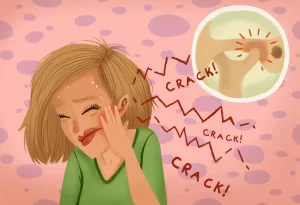
Understanding when to seek professional help for TMJ disorder is crucial for effective treatment. There are specific indicators that suggest the necessity for expert care, which include intense ongoing pain, restricted jaw movement, and audible joint sounds.
Relentless discomfort that persists despite home remedies is a clear sign that professional assessment is warranted. When the severity of pain disrupts daily activities and sleep, it could indicate a more complex issue within the TMJ structure. In such cases, professional care can provide the necessary interventions to alleviate pain and progressively improve the condition.
Significant movement constraints, such as difficulty in opening or closing the mouth, warrant a professional’s attention. These limitations can result from a variety of factors including misalignment of the teeth or jaw, inflammation, or muscle imbalance. A healthcare provider knowledgeable in TMJ disorders can offer specialized treatments aimed at restoring mobility:
- Persistent Pain: Ongoing discomfort despite home care indicates need for professional assessment
- Movement Restrictions: Difficulty opening or closing mouth requires specialized intervention
- Joint Sounds: Clicking or popping suggests mechanical issues needing expert attention
- Specialized Treatment: Professional techniques like intraoral massage address deeper issues
Noticeable joint sounds, like clicking or popping, are indicative of TMJ dysfunctions that can benefit from an expert’s intervention. These sounds often suggest that the joint’s natural mechanics are compromised.
Personalized TMJ Care at Ecologic Dentistry
At Ecologic Dentistry, Dr. Carla Yamashiro specializes in providing personalized TMJ care that focuses on individual needs and long-term wellness. Our approach is to customize each treatment plan by incorporating massage therapy, drawing upon evidence-based practices, and addressing the specific TMJ challenges our patients face.
Rooted in the latest scientific research, our treatments are designed with the objective of achieving not just temporary relief, but sustainable health. By staying current with advancements in TMJ treatment and adapting our methods accordingly, we offer our patients the most current and effective care available.
We take pride in addressing the full spectrum of TMJ-related issues, ensuring that care extends beyond symptom management to deal with underlying causes. Our holistic view of TMJ care means we don’t just treat the condition, but we invest in preventative measures and education to empower our patients for continued health.
Mastering Effective Massage Techniques
Mastering TMJ massage techniques is essential for achieving clinical improvements and lasting TMJ health. This involves detailed understanding and application of specific procedures, along with the integration of consistent at-home practices.
One key procedure is the masseter cross-fiber massage, which is particularly effective at targeting tender areas that contribute to TMJ pain. By applying pressure against the direction of the muscle fibers, this technique helps in breaking down tight spots and increasing blood flow, thereby aiding in the reduction of discomfort and enhancing the range of motion in the mouth.
Consistent home care routines are instrumental in maintaining the benefits achieved through massage. Establishing a regular practice of self-massage empowers individuals to manage their symptoms effectively. This self-care discipline allows for continuous maintenance and contributes to long-term TMJ relief.
The combination of professional massage techniques and dedicated home care leads to meaningful progress in TMJ treatment. When patients participate actively in their recovery process through regular massage application, they pave the way for improving jaw function and achieving sustainable oral health.
Your Path to TMJ Relief and Recovery
Effectively managing TMJ disorders is achievable through a combination of specialized massage techniques and a comprehensive treatment approach. Our strategy consists of scientifically-backed methods, customized patient care, and the essential role of professional guidance.
Specialized massage techniques are at the core of our therapy, addressing the physical intricacies associated with TMJ disorders. By focusing on muscle tension and joint mobility, these targeted treatments offer a clear pathway for alleviating discomfort and enhancing daily functionality. Our broader treatment strategy envelops these massage practices in a framework of holistic care, valuing the influence of lifestyle factors and stress management on oral health.
At Ecologic Dentistry in Bonney Lake, WA, Dr. Carla Yamashiro understands that effective TMJ management requires both targeted massage techniques and comprehensive care that addresses the whole person rather than just the symptoms.
Contact Ecologic Dentistry today to schedule your consultation with Dr. Carla Yamashiro and learn how our personalized, evidence-based approach to TMJ massage therapy can help you reclaim your comfort, improve your jaw function, and enhance your overall quality of life through comprehensive care that combines professional expertise with empowering self-care.
Frequently Asked Questions
Can massage therapy really help my TMJ pain?
Absolutely. Massage therapy targets the muscles around your jaw to relieve tension, reduce pain, and increase mobility, leading to significant improvements in TMJ symptoms.
What are the best massage techniques for TMJ relief?
Cross-fiber friction and temporalis massages are particularly effective. They focus on releasing tight muscles and promoting relaxation to combat TMJ discomfort.
Should I seek professional help for my TMJ issues?
Yes, if your symptoms persist or worsen, it’s wise to consult a professional who can apply advanced manual techniques and create a tailored treatment plan for you.
Ecologic Dentistry
(253) 863-7005
18008 State Route 410 East, Suite A
Bonney Lake, WA 98391