
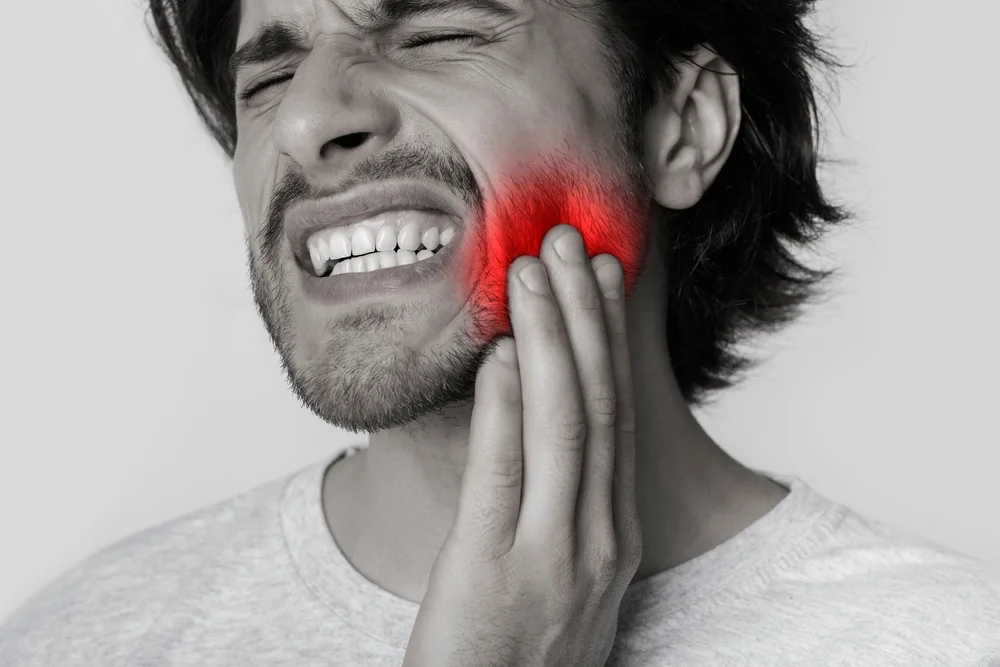
TMJ pain profoundly impacts daily life, but effective management strategies can restore personal comfort and well-being. With an informed, structured approach targeting self-care, professional input, and treatment planning, enduring relief is attainable.
Self-care forms the first pillar for combating TMJ pain. Simple techniques such as mindful stress management and jaw relaxation exercises can be practiced daily. For example, incorporating a brief meditation session before bedtime can lower overall tension in the jaw muscles, thus proactively reducing pain.
The second pillar is seeking and incorporating expert advice. Dental professionals can provide personalized strategies and oversee the implementation of devices like night guards that minimize jaw strain. Regular consultations enable fine-tuning of these strategies to adapt to changing symptoms or lifestyle factors.
Understanding TMJ Pain: Myths vs. Reality
TMJ pain is often misunderstood, with myths leading to narrow treatment approaches. A more comprehensive understanding of its causes can guide sufferers to holistic management and effective relief.
One pervasive myth is that TMJ pain is solely a dental issue, when in reality, factors like stress and related muscle tension contribute significantly to the condition. Picture the impact of a stressful day; the body tenses, often culminating in a clenched jaw and subsequent pain. An accurate diagnosis must account for such factors.
Another common misconception is overlooking the role of posture in TMJ discomfort. Habitually slouching at a desk can strain neck muscles that connect to the jaw, leading to pain. Simply realigning one’s posture during daily activities can alleviate some of this tension:
- Stress Myth: TMJ isn’t just dental, stress and muscle tension play significant roles
- Posture Impact: Poor posture strains neck muscles connected to jaw function
- Treatment Options: Simple interventions often work better than complex procedures
- Holistic Approach: Understanding multiple causes leads to more effective relief
There’s a myth that TMJ disorders require complex and invasive treatments as the only solution. People frequently miss out on simpler, yet effective modalities like physical therapy or customized oral appliances.
Lifestyle Changes That Make a Difference
Managing TMJ pain involves more than medical treatment; it requires lifestyle adjustments that are practical and empower sufferers to take control. These changes, while small in isolation, can collectively make a substantial difference in alleviating TMJ symptoms.
Stress management is a crucial factor. Chronic stress often translates into jaw tension and pain. Activities like yoga, meditation, or even simple breathing exercises can reduce stress levels, thereby lessening the subconscious jaw clenching that exacerbates TMJ pain. Consider the calming effect of deep breathing techniques used during stressful moments; these can prevent the onset of jaw discomfort.
Dietary choices also matter. Opting for softer foods minimizes the strain on the jaw during eating. Imagine choosing a banana over a bagel for breakfast, an easy swap that gives the jaw a rest and potentially reduces pain throughout the day.
Professional Treatment Options
Non-surgical interventions offer significant relief from TMJ pain and are essential alternatives to consider before surgical options. These treatments range from rehabilitative exercises to custom-fitted appliances, providing a breadth of options for patients.
Physical therapy emerges as a prime option, encompassing targeted exercises to strengthen the jaw and reduce discomfort. For example, a therapist might guide a patient through jaw stretches that alleviate tightness, thereby reducing pain without resorting to invasive procedures.
Another crucial intervention is the use of specifically designed jaw exercises. These exercises can be done at home and are tailored to address the patient’s unique symptomatic experience. A simple routine might include gently opening and closing the mouth to promote flexibility and strength in the jaw muscles:
- Physical Therapy: Targeted exercises strengthen jaw muscles and reduce discomfort effectively
- Home Exercises: Tailored routines promote flexibility and strength in jaw muscles
- Oral Appliances: Custom orthotics protect against grinding and clenching during sleep while decompressing the jaw joints to allow them relief and healing.
- Personalized Approach: Individual fitting ensures maximum comfort and effectiveness.
Self-Care Techniques You Can Use Today
Effective TMJ pain management depends on routine self-care and can be significantly strengthened by incorporating several key practices into one’s daily life. These practices empower individuals to actively reduce their discomfort and promote overall well-being.
Routine exercises for the jaw can lead to marked improvements in TMJ pain. Engaging in jaw-stretching activities in the morning, for instance, can help ease stiffness and maintain mobility throughout the day. This kind of consistent, gentle movement can provide not just momentary relief but also long-term benefits.
Applying hot and cold compresses is another way to directly impact TMJ pain. A cold compress may reduce swelling during acute flare-ups, while a warm compress can relax the muscles and improve blood flow. Alternating between these two methods can be particularly effective, addressing both inflammation and muscle tension.

Recognizing When to Seek Professional Help
Determining the right time to seek professional help is a crucial decision in the journey of TMJ pain management. Whether due to severity, persistence, or complexity, certain signs indicate the need for medical expertise, guiding patients to appropriate care and intervention.
If TMJ pain becomes debilitating, affecting the ability to eat, speak, or sleep, it’s a clear signal that professional help is necessary. For instance, when pain hinders basic jaw functions or disrupts daily activities, it goes beyond what self-management can address, and expert assessment is crucial.
Another key indicator is chronic pain that persists despite earnest attempts at home remedies and self-care tactics. Those who experience continuous discomfort for an extended period, unable to find respite, should consult a healthcare provider for a more in-depth approach to their condition.
Advanced Treatment Options
Patients with persistent TMJ pain may benefit from integrative and advanced treatment options that go beyond conventional care. These innovative solutions can be especially effective for resistant cases of TMJ pain, providing new avenues for relief.
Individualized orthodontics is another specialized treatment that can address underlying dental misalignments contributing to TMJ pain. Custom aligners can gradually shift teeth into the correct position, potentially easing the strain on the jaw joint caused by an uneven bite:
- Orthodontic Solutions: Custom aligners address underlying dental misalignments effectively
- Surgical Options: Minimally invasive procedures available when other treatments fail.When other treatments fail to provide satisfactory results, surgical advancements may be considered. Procedures such as arthroscopy offer a minimally invasive option with the potential for quicker recovery times.
- Professional Evaluation: Healthcare providers help determine the best treatment course.
Prevention: Your Best Long-Term Strategy
Adopting a proactive stance is fundamental in preventing the exacerbation of TMJ pain. By focusing on regular dental checkups, self-assessment, and education, individuals can build a strong framework for maintaining TMJ health and reducing pain scenarios.
Regular dental checkups are essential in monitoring TMJ health and catching potential issues early. Such checkups allow for dentist evaluations of jaw function and the identification of any signs that may indicate emerging TMJ concerns. This is akin to routine car maintenance, periodic inspections can prevent more significant problems down the line.
Self-monitoring plays a critical role in managing TMJ pain. Individuals who consistently observe their jaw habits and symptoms can take timely action, such as adjusting how they chew or taking breaks during repetitive tasks to rest the jaw. This self-awareness is similar to noticing when you’re holding tension in your shoulders and then making a conscious effort to relax them.
Your Journey to Long-Term TMJ Relief
Managing TMJ pain effectively is a realistic and achievable objective. Combining lifestyle changes, non-invasive therapies, and professional guidance offers a comprehensive path to relief.
Making lifestyle adjustments can be a solid first step for many individuals. Simple changes like incorporating jaw-friendly foods into one’s diet and practicing stress-reduction techniques can lead to a noticeable decrease in pain, setting a foundation for further improvement in jaw health. Incorporating therapeutic interventions provides additional support, from exercises that strengthen the jaw muscles to therapeutic massages that release tension.
At Ecologic Dentistry in Bonney Lake, WA, Dr. Carla Yamashiro understands that effective TMJ pain management requires a comprehensive approach that combines proven self-care techniques with professional expertise to achieve lasting relief and improved quality of life. Seeking expertise from healthcare professionals is sometimes essential, as dentists and TMJ specialists can offer diagnostic insights, recommend specialized treatments, and guide individuals on their journey to better jaw health.
Ready to take control of your TMJ pain and discover a personalized path to long-term relief? Contact Ecologic Dentistry today to schedule your consultation with Dr. Carla Yamashiro and learn how our comprehensive approach to TMJ management combines evidence-based treatments, lifestyle modifications, and ongoing support to help you achieve lasting comfort, improved jaw function, and a better quality of life through effective, holistic TMJ care.
Frequently Asked Questions
What are the first steps I should take for managing TMJ pain?
Begin with lifestyle modifications such as stress reduction and posture improvement. Then explore non-invasive therapeutic techniques such as exercises and oral appliances. If symptoms persist, consult a professional for personalized care.
Can TMJ pain be managed without surgery?
Absolutely. Many individuals find great relief with non-surgical options like targeted physical therapy, personalized oral appliances, and specific jaw exercises. These interventions often provide long-term pain management.
How do I know when it’s time to see a doctor for my TMJ pain?
If you experience persistent or severe discomfort that disrupts your eating, speaking, or sleeping, it’s important to seek medical help. Additionally, if your symptoms continue despite self-care efforts, consult a healthcare professional for further evaluation.
Ecologic Dentistry
(253) 863-7005
18008 State Route 410 East, Suite A
Bonney Lake, WA 98391